

The Jack Kerouac of These Times: An Interview with author Theodore Richards
by Wayfarer Magazine Staff


“On a lonely planet, in a far-flung corner of the Universe, there lives a human, digging in the depths of his soul, so that his species can heal and survive. Theodore Richards’ What Happened to Icarus is a deeply personal, poetic and philosophical book that weaves together real life narrative, social reckoning, cultural reflection and spiritual imagination. It is filled with the heart, honesty and human spirit that is essential for us to find our way. We are falling, but this is a vital part of the story… a story of love and loss and becoming.”
—Joshua Gorman
What Happened to Icarus is Theodore Richards’ ninth book, and perhaps his most personal. It is a memoir, but also the story of our shared journey. In it, he describes his travels as a young man, wandering the world with nothing more than a backpack. Matthew Fox calls the book a “quest” or a “pilgrimage.” He goes on to say:
It speaks honestly to the religious and spiritual failures of the West along with so much else, not unlike the beat poets and Jack Kerouac in On the Road. But Richards travels the full, round, world—and not in an American automobile, but on foot and in buses full of peasants. What Happened to Icarus is a bigger vision for today; Richards is the Jack Kerouac of these times.
What Happened to Icarus is not merely a personal story, but one that addresses the most pressing challenges facing our species today. “His vivid journey is both relatable and revelatory,” writes Drew Dellinger, “as he navigates the difficulties of intimacy in a world of disconnection, conscience in a context of injustice, and cosmology in a land of disenchantment.”
Ultimately, he turns away from the road, “arriving instead,” writes Kirkus Reviews, “at an ethic of care that reframes earlier wanderings as preparation, rather than as a solution.” The third and final section of the book is a meditation on what is perhaps as great a journey as anything: raising a family while the world burns and bearing witness to the adventure of childhood.
The book offers nothing prescriptive. You’ll find no facile solutions. It is a reflection on how we got here and an invitation to engage with the author on the greatest of adventures: the journey into the depths of one’s soul.
We caught up with him to ask about how he came to write it.
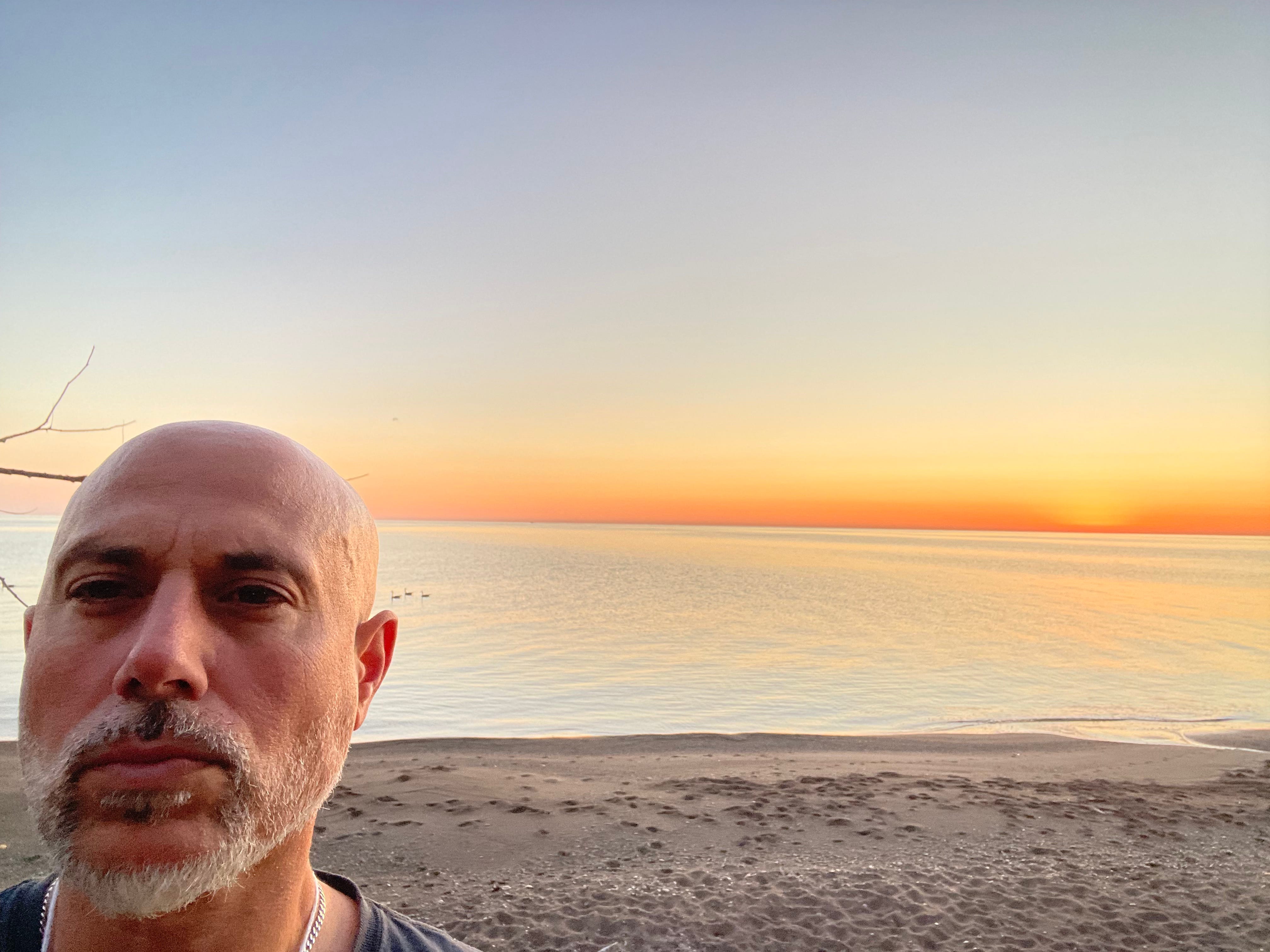
WAYFARER: Why now? Why is this the book you felt compelled to write at this moment?
RICHARDS: Some of this, I have to confess, had to do with my own life. It’s a deeply personal book. And this was the moment when I began to understand how my own stories fit together. Sometimes you just feel like you have to write something. And sometimes the work is part of your own healing process.
But I also felt compelled to tell a story that the world needed to hear. That’s where the “world in crisis” part of the subtitle comes in. The world is on fire. We are living in the age of polycrisis. This is something that folks in my own circles have been acutely aware of for some decades now. But recently, with the rise of fascism, with the pandemic, with tangible results of climate change being more and more evident (I could go on) it’s unavoidable. Talk of the polycrisis has gone mainstream.
Along with the external manifestations of the crisis, there’s also the internal crisis. This is where my personal story—everyone’s individual story, really—intersects with the collective story. So much of what’s going on in the world today is both cause and effect of an internal crisis of meaning, the sense that we are unmoored, disconnected.
WAYFARER: How did the idea for using the Icarus myth come about?
RICHARDS: I wrote a poem a couple of years ago that just stuck with me: I want to know what/ happened to Icarus/ after his wings melted away,/ when he fell into the fathomless sea./ This is where the story begins.
I was grappling with my own story at the time—trying to figure out how I got here, how we all got here. The Icarus myth really resonated with me. We are so focused on what Icarus did wrong. But he’s just a child, an adolescent. And like all children—like all of us who carry around our inner child—he wants to fly. And that’s okay. But the descent is unavoidable, perhaps even necessary. As it’s often told, his story ends with his fall. But if the descent into the depths, the sea, represents our inner journey—the part of the journey where we face ourselves—then maybe that part of the story is where the real story begins.
The other narrative that I work with a lot in the book is Dante’s Commedia. Dante’s journey begins with descent. He has to go to hell before he can reach the stars. This is a common hero’s journey, a common mythic pattern. It’s actually not tragic that we fall, but a necessary stage of development. This strikes me as a profoundly important fact.
I wanted to explore what happens to each of us, individually and collectively, after the fall, when we are swimming in the depths. I think this is the heart of the matter.
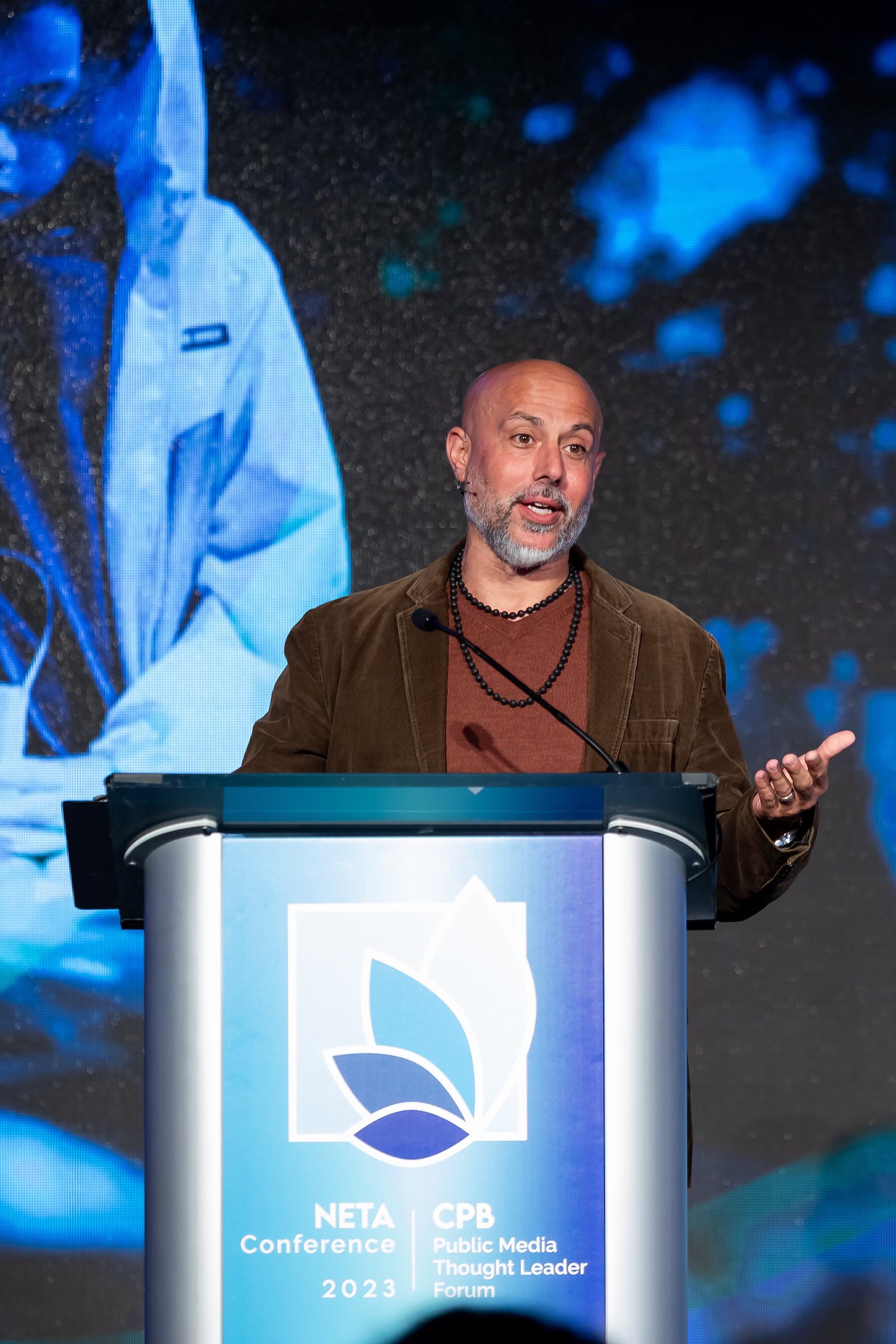
WAYFARER: What can we hope to learn by swimming in the depths?
RICHARDS: I don’t mean this as a cop out, but the truth is that I just don’t know. I suspect that sitting with the things we don’t know, the mystery, being comfortable with uncertainty, is part of our work right now. This also speaks to the nature of art: it’s relational. We cannot entirely say what a book means until it encounters the reader and something emerges in that entanglement.
But I can say that there will be no easy technological or political solution for the challenges we face until we can learn to swim in the depths, until we can learn to face what’s going on inside of us. That’s not to say that real-world action isn’t important and necessary. Of course it is. But there’s a tendency to bypass the hardest part of the journey, and we cannot bypass the depths if we ever hope to reach the stars.
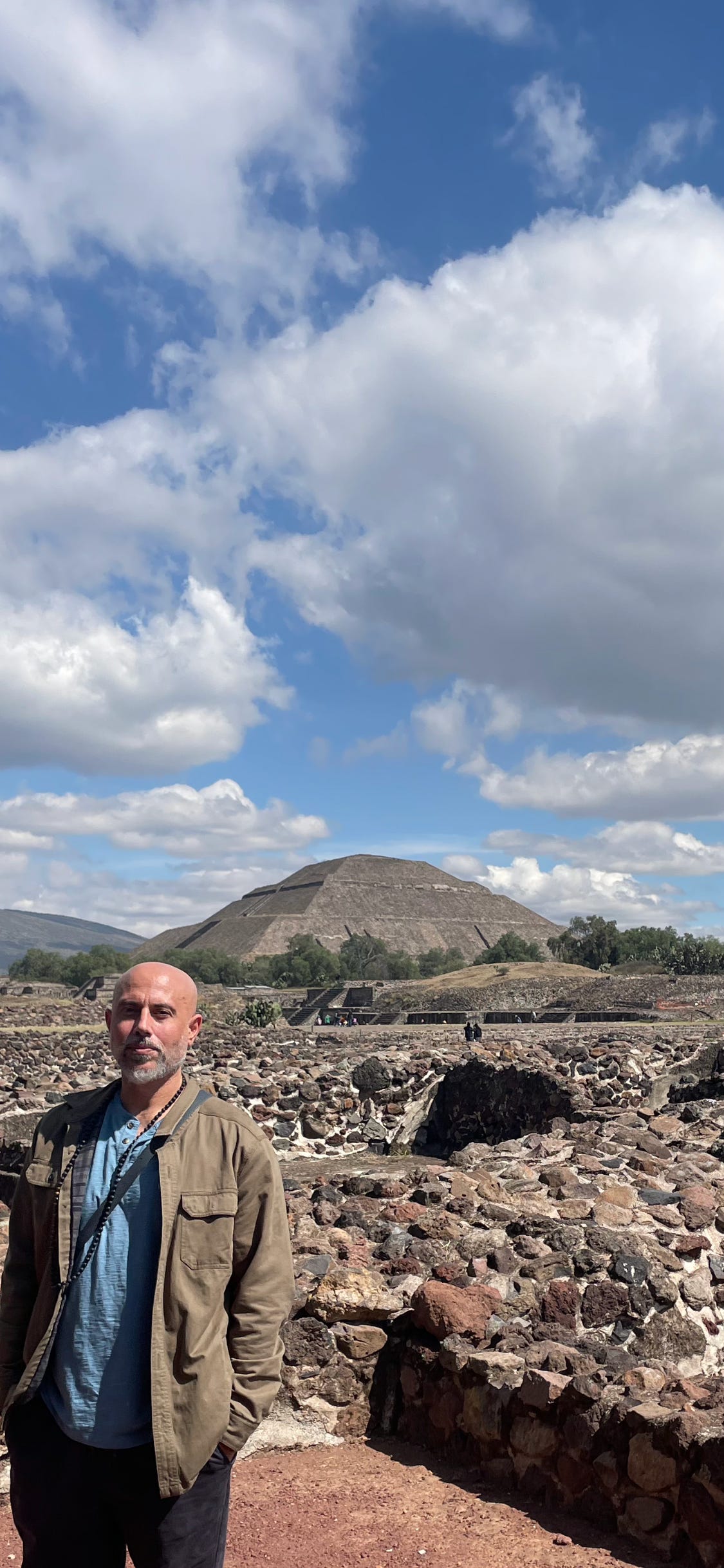

Look for What Happened to Icarus in paperback and ebook wherever books are sold. Use coupon code PRIDE26 to save 30% on your order through June 2026!
Really looking forward to reading this - thank you for the introduction!